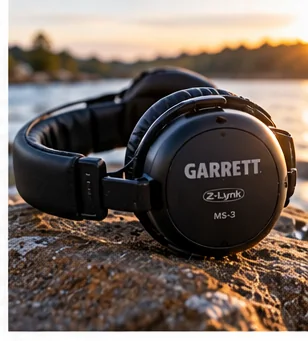
Wear thin, close-fitting headwear such as a liner beanie or a narrow fleece ear band under over-ear detecting headphones. Thick hats and earflap hats lift the cups off your head and break the seal, which lets in wind and noise. Test your exact hat and jacket at home before a cold hunt.
In This Guide
Affiliate disclosure: We may earn a commission from qualifying purchases made through links on this page, at no extra cost to you.
The fit problem in plain terms
Over-ear detecting headphones are designed to sit against your head and seal around your ears. A thick hat gets in the way: it lifts the cups off your head, breaks the seal, lets wind and ambient noise in and can make the headband press unevenly. That is why the best winter combination is thin, close-fitting headwear under the headphones, or no hat at all and an ear covering that stays out from under the cups.
It is a gear question, not a skill question. A little testing at home saves a cold, frustrating hunt. For the basics on choosing the headphones themselves, our headphone guide is a good place to start.
Four ways to keep your ears warm and still hear
- A thin beanie under the headphones. A thin knit skullcap or liner beanie adds a little warmth with little added bulk. It keeps the headband from touching bare skin and usually leaves the cups seated. Thick, bulky knits lift the cups and are best avoided.
- A fleece headband or ear warmer. A narrow, stretchy band covers the ears without a crown or pom-pom to interfere with the headband. Slide it down to the neck when you warm up.
- Headphones over a hood or balaclava. A thin balaclava or neck gaiter pulled up over the ears works under many headphones, but check that the fabric does not muffle the audio too much.
- A hat worn over the headphones. A larger hat or a hood can go over the cups if the headphones fit under it and the cables are routed out. This traps heat but can blur wind and hat noise into the audio, so test it.
What does not work well is a thick, structured hat under over-ear cups. Hats with earflaps can also be awkward, because the flaps fold between your head and the pads. Our cold weather gear guide shows how to build the full outfit around the headphones.
Thin fleece headband or ear warmer
A narrow stretchy band under the headphones. Choose one that is thin enough to leave the cups seated.
What a worse seal costs you
A broken seal lets in wind, brush noise and conversation, so the faint signals you are trying to hear compete with more noise. People often compensate by turning the volume up. That is the wrong response. Keep the volume at a level where you can still hear a person calling to you, a vehicle or livestock. If the seal is the problem, fix the fit rather than the volume. If your headphones have an adjustable headband, loosen or tighten it with your hat on and set it so it grips without pinching.
Cables, wireless and cold
If your headphones are wired, route the cable under your jacket collar or along a sleeve, and make sure a hat does not tug it. Some cables may stiffen when it is cold, which can make them harder to manage; coil them loosely rather than tightly. If your headphones are wireless, check the battery. Cold can shorten battery runtime, and our guide to detector batteries in cold weather covers what the makers list for operating temperatures. Check the manual for the headphone battery and operating range. If you are weighing wired against wireless for winter, see wired vs wireless headphones and the notes on adapters for older detectors.
Thin liner beanie
A thin, close-fitting knit that can go under the headband. Try it with your headphones on before you commit to a hunt.
Headphone features that help in winter
If you are buying headphones with winter use in mind, a few features matter more than usual:
- An adjustable headband: lets you open up the fit for a liner beanie and close it again when you take it off.
- Soft, deep ear pads: seal better against fabric than thin, hard pads.
- Controls you can use in gloves: large buttons or a rotary volume knob are easier than small switches. Test them with your gloves on.
- A foldable or compact design: easier to stow in a pocket or inside a jacket where it stays warm.
None of these features is a guarantee, so read the maker's description and check that the headphones are compatible with your detector.
Test your setup at home
| Check | What to look for |
|---|---|
| Seal | The cups sit flat against your head with the hat on, with no gap at the edges |
| Clamp | The headband is snug but not painful after 20 minutes |
| Cable | The cable does not tug on the hat or catch on the jacket |
| Sound | Wind-like or rubbing noise does not dominate the audio |
| Awareness | You can still hear a person speaking at normal volume |
| Battery | Wireless headphones are charged and you carry a spare plan |
Run this test with the exact hat and jacket you will wear. Turn your head, bend down and kneel, because those are the moves that expose a poor fit.
Stay aware of your surroundings
Muffled surroundings and a hat that blocks side sounds can make it hard to hear people or traffic. Keep your volume modest, take the headphones off near roads, farm equipment or when someone approaches, and tell someone where you will be hunting. Follow the headphone manufacturer's guidance on volume and hearing safety.
Bottom line
Use thin, close-fitting headwear or an ear band under over-ear headphones, avoid thick or earflap hats that break the seal, route cables under your jacket and keep the volume low enough to hear what is around you. Test the exact setup at home before you hunt.
Frequently Asked Questions
Can I wear a beanie under metal detecting headphones?
Yes, if it is thin and close-fitting. A thin liner beanie adds warmth with little bulk. Thick knits lift the cups and break the seal.
What is the best hat to wear with metal detecting headphones?
A thin liner beanie or a narrow fleece ear band under the headphones is usually the best fit. Avoid thick hats and earflap hats under over-ear cups.
Can I wear a hood over my headphones?
Often yes, if the headphones fit underneath and the cable is routed out. Test it first, since the fabric can add wind and rubbing noise to the audio.
Do cold temperatures affect wireless detecting headphones?
Cold can shorten battery runtime. Check the headphone manual for the battery and operating temperature range and carry a backup plan.
Is it safe to detect with headphones in winter?
Keep the volume modest and stay aware of people, vehicles and farm equipment. Take them off when someone approaches and follow the maker's volume guidance.
Sources and verification
This is general fit and safety advice. We did not review specific headphones or headwear, and no manufacturer specifications are quoted.
Check your headphone manual for the battery and operating temperature range, and for the maker's volume and hearing-safety guidance.
DetectorGear.co is a participant in the Amazon Services LLC Associates Program and the eBay Partner Network. When you purchase through links on this page, we may earn a commission at no additional cost to you. Affiliate relationships do not influence our editorial recommendations. Learn more.